EN


A clear serum can leave the lab looking ready for market and still change after weeks in a pump. For a brand working with an acne product manufacturer, the useful question is not simply whether each active ingredient has a reputation for stability. It is whether the finished formula, in its intended package, remains within agreed specifications throughout storage and use.
From a formulation-development perspective, the protocol should connect ingredient compatibility, analytical testing, microbial protection and packaging. The plan below is a project framework, not evidence that any particular formula has passed. Define the destination market and product claims with qualified regulatory advisers before choosing the test program.
1. Freeze the brief before designing the study
Ask the acne product manufacturer to document the intended user, product format, leave-on or rinse-off use, target markets and expected distribution conditions. Record each active's identity, grade, proposed concentration, supplier guidance and intended function. A shared formula version, raw-material list and package specification give the team a baseline for every later result.
Classify the product before assuming that a cosmetic program is sufficient. In the United States, intended use and claims can make an acne product a drug. FDA's Monograph M006 for nonprescription drugs addresses topical acne drug products, including certain benzoyl peroxide and salicylic acid products under specified conditions. The presence of ingredients in that monograph does not establish that a proposed combination, claim or manufacturer is compliant. Have a qualified specialist review the current requirements and applicable manufacturing and testing obligations.
2. Map interactions, not just individual ingredients
A multi-active formula creates competing design constraints. An acid may need a particular pH range for solubility and performance, while another ingredient or the preservative system may behave differently in that environment. Oxygen, light, heat, dissolved metals and the order of addition can also affect a formulation. These are risks to investigate, not predictions that every pairing will fail.
With the acne product manufacturer, build an interaction matrix for the actual ingredients and base. For each component, list its supplier's handling guidance, likely sensitivity, analytical method and potential incompatibilities. Include the neutralizer, fragrance, colorants and packaging contact surfaces: a formula can fail because of the complete system rather than its headline actives alone.
Use a small screening set
Compare the candidate formula with suitable controls, such as the base without a sensitive active and a version containing the active alone. Keep batch records and process conditions consistent enough to interpret differences. If a sample changes color, compare assay and physical results before attributing the change to a particular ingredient. A visual change is a signal for investigation; it does not by itself establish loss of activity or safety.
3. Set measurable acceptance criteria before storage
Agree on release and end-of-study limits with the acne product manufacturer before samples enter the chamber. Limits should be product-specific, scientifically justified and appropriate to the product's legal classification. Include measurement uncertainty, analytical variability and escalation rules; avoid using a universal percentage or a single appearance check as a substitute for specifications.
- Active content: quantify each relevant active with a suitable, validated or appropriately verified stability-indicating method; assess meaningful degradation products where applicable.
- Physical properties: record appearance, odor, pH and viscosity, plus phase separation, precipitation or dispensing changes as relevant to the format.
- Microbial quality: define initial quality limits and a risk-based antimicrobial protection assessment for the finished formula.
- Package performance: inspect seals, leakage, discoloration, dose delivery and changes to the container or closure.
For each project, the acne product manufacturer and brand should agree that the test plan names the laboratory, sample size, time points, methods, approved limits and person responsible for deviations. If an assay is not yet ready, the acne product manufacturer should identify that gap rather than treating an unchanged appearance as proof of retained active content.
4. Run a storage matrix in the intended pack
Have the acne product manufacturer use a representative development or pilot batch, with a retained baseline sample and documented fill conditions. Place samples in the proposed final container and closure, including any liner or pump that contacts the product. Include an inert reference container when useful for distinguishing packaging effects from formula changes.
Agree on real-time storage at the intended label conditions and appropriate accelerated or stress conditions, including heat, light exposure, temperature cycling or cold where relevant to shipping and use. The acne product manufacturer and testing laboratory should justify the chosen temperatures, duration and sampling intervals for the formulation and market. Accelerated screening helps identify weaknesses; it does not automatically convert into a validated shelf life.
At each interval, the acne product manufacturer should compare results with the initial baseline and the approved limits. Record chamber excursions, sample orientation and observed trends, not just pass-or-fail labels. Continue real-time monitoring where needed to support the proposed shelf life. If the active declines or pH drifts, investigate the cause and assess whether the change affects other specifications.
5. Assess microbiology and packaging together
For an acne product manufacturer, preservation depends on the whole formulation and its use, not the preservative name alone. For cosmetic products, ISO 11930:2019 addresses evaluation of antimicrobial protection; its applicability depends on the product and microbiological risk assessment. A qualified laboratory can determine an appropriate challenge approach and assess whether a low-risk rationale is justified. A challenge result is separate from chemical stability and routine microbial quality testing.
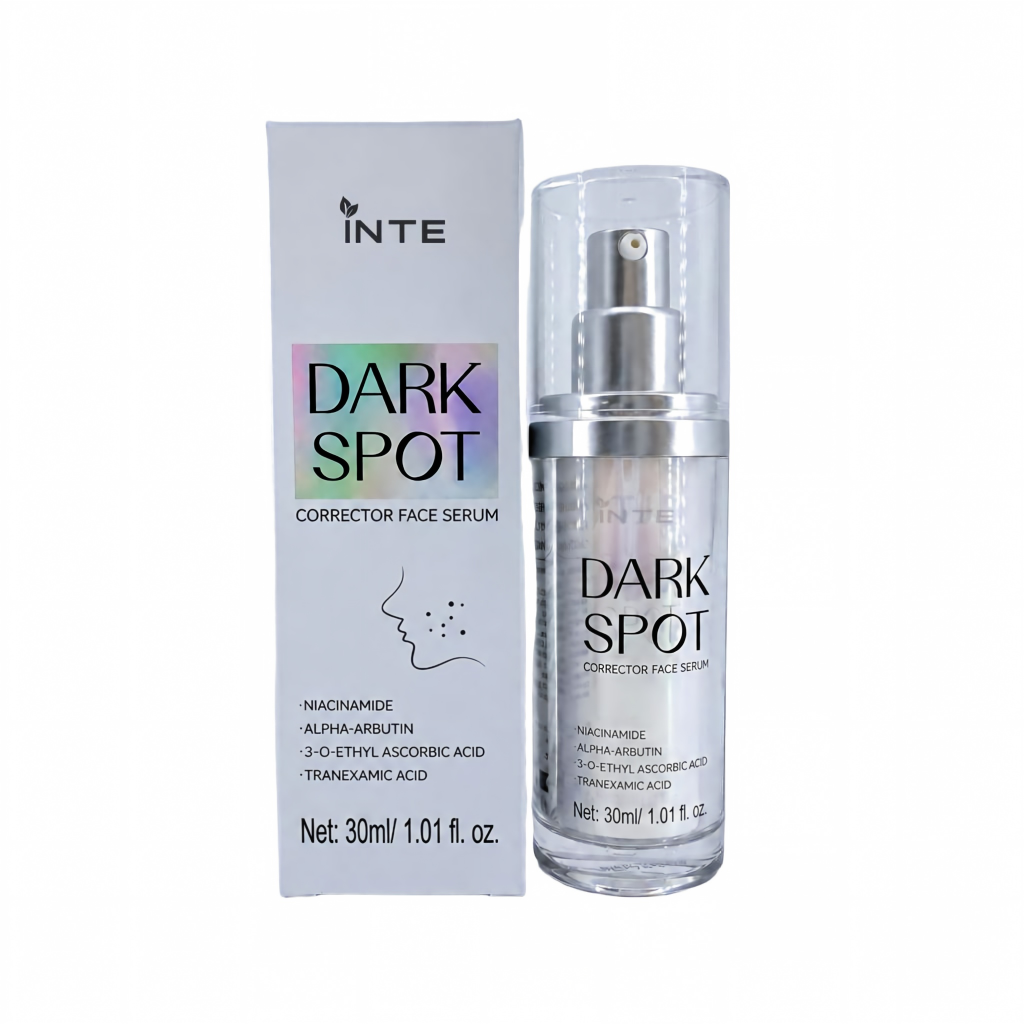
Give the acne product manufacturer the actual container and closure components early. Test compatibility with representative filled samples, including exposure of relevant contact surfaces. Depending on the design, the assessment may include leakage, pump function, adsorption, interaction with the formula and an evaluation of extractables or leachables. A single-use ampoule and a repeatedly opened jar present different use conditions; neither format removes the need for a documented risk assessment.
6. Decide what happens when a sample fails
A protocol needs decision owners, not just test names. The acne product manufacturer should identify who is responsible for each decision. If an out-of-specification result occurs, first verify sample identity, storage history and analytical execution. Then compare the batch record and controls to determine whether the issue may arise from the formula, process, package or method. Do not discard an unfavorable result merely because a duplicate looks acceptable.
Agree with the acne product manufacturer on a documented investigation, impact assessment and disposition. A change to pH, solvent, preservative, active level, raw-material grade or primary pack can invalidate prior evidence. Define which tests must be repeated and whether a new batch or a new real-time study is needed. Regulatory and quality personnel should approve the change before production proceeds.
What to request before launch
Ask for a concise evidence package: the approved protocol and specifications; batch and packaging identification; laboratory methods; raw results and trend summaries; microbial and compatibility assessments; deviation reports; and the rationale for the proposed storage conditions and shelf life. Missing long-term results should be identified as pending, with an owner and review date.
When evaluating an acne product manufacturer, also clarify who owns the data, who can authorize formula changes and how production-scale batches will be compared with development samples. INTE Cosmetics describes OEM/ODM skincare and custom formulation support; the scope of testing and documentation for a specific project should be confirmed directly. The aim is a release decision grounded in the actual formula and pack, rather than a generic stability claim.
Ready to discuss your next skincare project? Share your product brief and target market with our team to explore formulation, packaging and compliance support.
 Hot News