EN


A brightening serum can look straightforward on a launch calendar: choose niacinamide, select a bottle and prepare a label. From a formulation perspective, the more useful first question is what experience the intended customer expects. A salon client seeking a light layer under moisturizer may value a different texture and package from a shopper building a simple daily routine.
For a brand working with an OEM partner, a brightening serum brief should connect that experience to the formula, packaging, evidence and target market. The ingredient is one part of the decision, not a substitute for evaluating the finished product.
Start with the customer, not the percentage
Describe who will use the brightening serum, when it fits into a routine and which appearance concern the brand wants to address. Decide whether the main promise is a more radiant look, an even-looking complexion or a pleasant layer beneath another product. Those aims influence texture and how the formula is discussed.
Next, give the development team a practical sensory target. A watery brightening serum might suit a customer who prefers quick layering; a more cushioned texture may suit a different routine. Neither description proves performance. Ask for samples and compare spread, absorption, residue, scent and the way each sample feels alongside the moisturizer or makeup the customer is likely to use.
Specify the intended sales channel as well. A professional-use concept may need clear instructions for use within a service, while a retail product needs a label that works without an adviser present. Share the expected pack format, target markets and project constraints early so the team can discuss viable directions rather than revise the brief after sampling.
Turn niacinamide research into a realistic formula brief
Niacinamide is a form of vitamin B3 used in skincare formulations. It is often discussed in relation to the appearance of uneven tone, but a brightening serum still needs its own formulation and evidence strategy. A published study compared a 5% niacinamide moisturizer with its vehicle in 18 participants with hyperpigmentation. Its findings relate to that tested moisturizer and study design; they do not establish that another formula will produce the same result.
Instead of specifying a percentage from a competitor's label, discuss the proposed concentration with the formulator in the context of the whole brightening serum. Other ingredients, the delivery format, stability and the intended user experience all matter. Request the reasoning behind each sample and record any changes between rounds, including changes in color, odor or texture.
Consider the complete formula
Humectants and emollient components can affect how a brightening serum feels on skin. Preservative selection, ingredient compatibility and packaging contact also need review. If the concept includes additional actives, ask the development team to evaluate their combined use rather than assuming that more ingredients create a stronger proposition.
Agree on the evidence needed for the final brightening serum before label copy is approved. Ingredient literature can support a development discussion, but a claim about the finished product should be assessed against relevant evidence for that product and market. A well-written brief names the claim, the proposed way to substantiate it and the person responsible for approving the wording.
Choose a pack that supports the intended use
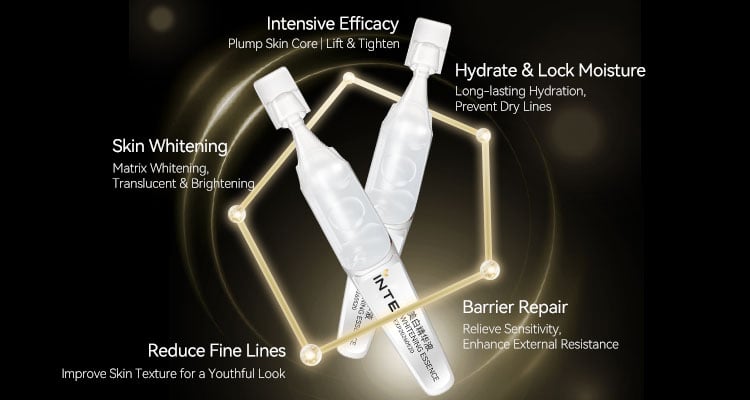
Packaging is part of the brightening serum experience. A dropper can make application familiar to retail customers, while a pump may offer a different dispensing experience. A single-use format is another option to discuss where the routine calls for individual portions. Ask the supplier which formats are available for the project instead of assuming any particular pack is already in stock.
Compare prototypes with the actual sample, not water alone. Check dispensing consistency, closure, leakage during normal handling and whether the pack works with the formula throughout planned storage and use. Label space, transport requirements, component availability and fill quantity should be part of the same discussion. The selected brightening serum pack should also leave room for the information required in each destination market.
Plan validation before artwork is locked
A brightening serum project benefits from an agreed test plan rather than a last-minute checklist. Ask which stability, microbiological and package compatibility work is appropriate for the proposed formula and format. Define acceptance criteria, sample versions, responsibilities and the conditions under which the brand will approve a change. A changed fragrance, supplier or container may require a fresh assessment.
Keep a simple decision log for each brightening serum sample: formula version, evaluation date, packaging used, observations and requested revisions. If one sample feels good initially but separates or changes odor during evaluation, capture that observation for the technical team. Sensory feedback is useful, but it does not replace formal safety or stability work.
Also agree on documentation handoffs. The brand may need ingredient information, batch-related records and evidence supporting proposed claims. Clarify what the OEM can provide, when each item will be available and who reviews it. Avoid treating a sample approval as automatic approval for every label statement or every destination.
Adapt claims and documents to each market
For a brightening serum sold in the United States, review wording with a qualified regulatory professional. The US Food and Drug Administration explains that claims about disease or effects on body structure or function can affect whether a product is regulated as a drug. An appearance-oriented concept still requires a review of the full presentation, including website copy and labels.
For the European Union, Regulation (EC) No 1223/2009 provides a framework that includes a responsible person and a cosmetic safety assessment before placement on the market. Assign ownership of the safety report, product information file, notification and label review with the appropriate specialists. Requirements can change, so confirm the current rules for the actual product and distribution route.
These examples are starting points, not a universal compliance checklist. A brightening serum intended for several regions may need different documentation, language and claims review in each one. Build those decisions into the schedule before ordering printed packaging.
Make the OEM conversation actionable
Before requesting a quote or sample, prepare a short brightening serum project brief with the following items:
- Target customer, use setting and the cosmetic appearance message.
- Preferred texture, scent direction and layering expectations.
- Niacinamide concept and any other ingredients for technical discussion.
- Pack format, approximate volume, target market and channel.
- Proposed claims, evidence needs and a named approval owner.
- Sampling feedback process, test responsibilities and launch timing.
Inte Cosmetics describes its services as skincare OEM/ODM and private label development, including custom formulation, packaging and compliance support. Discuss the scope and available options for the specific project directly; the actual formula, tests, quantities and timelines remain subject to confirmation.
The next step is to use the brief to compare samples and document decisions. A brightening serum launch is easier to evaluate when the brand can trace each choice from the intended customer experience to the finished formula, pack and market-specific evidence.
Ready to discuss your next skincare project? Share your product brief and target market with our team to explore formulation, packaging and compliance support.
 Hot News