 EN

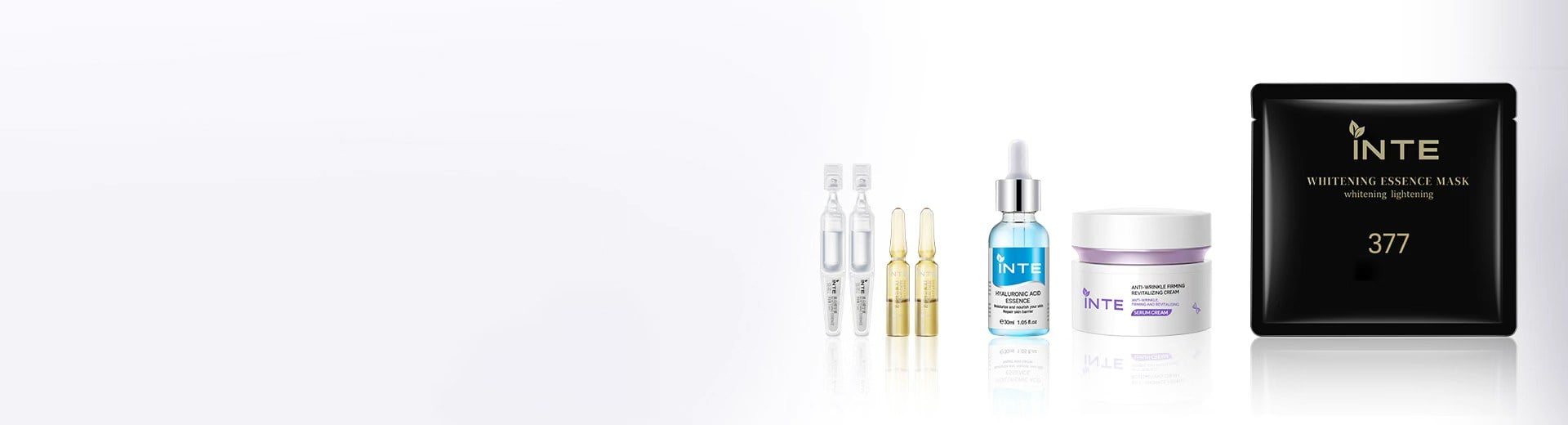
INGREDIENT-LED SKINCARE PRODUCT SOLUTIONS
Top 10 Ingredient-Led Skincare Solutions for Europe & North America
Turn a high-interest ingredient direction into a practical skincare product, coordinated formula concept or complete product line.
INTE combines ready-to-launch product references with customizable formulation support, helping brands select the right product format, formula direction, packaging approach and development pathway for their target market.
From Ingredient Interest to a Sellable Product Concept
For B2B skincare buyers, choosing a familiar ingredient is not enough. The same ingredient can be developed into different product formats, price tiers and routines depending on the target consumer, product claim, sensory profile and market channel.
INTE's approach is to connect four decisions before development begins: ingredient direction, product role, formula pathway and line-extension potential .
This helps brands avoid launching a single ingredient-led product without a clear product architecture or follow-up range.
Two Development Paths for Ingredient-Led Skincare
Brands can choose a faster reference-product route or develop a more differentiated formula based on their positioning, price target and product brief.
Shorten the Product Selection Stage
Start from an existing product reference with a defined texture, product format and manufacturing route. This option is suitable for brands that need to evaluate samples, packaging concepts and market positioning before committing to a deeper customization project.
- Existing formula reference for initial evaluation
- Faster route for sample review
- Suitable for basic line planning and trial launches
- Packaging, MOQ and documentation confirmed per project
Build a More Differentiated Product
Develop the product around a specific concentration range, texture, packaging format, claim direction or complete skincare routine. This option is suitable for brands looking to create a clearer point of difference.
- Adjust the formula direction and sensory profile
- Coordinate product format and packaging concept
- Develop complementary products around one ingredient theme
- Review testing, documentation and scale-up requirements
10 Ingredient Directions for Product Development
The following ingredients are treated as development directions rather than guaranteed bestsellers. Each one can serve a different product role and requires formula-specific technical review.
1. Hyaluronic Acid
Product role: Hydration and skin-feel optimization.
Development focus: Molecular-weight combination, humectant balance, texture and compatibility with the intended packaging format.
2. Niacinamide
Product role: Brightening, oil-balance and barrier-support positioning.
Development focus: Concentration, pH range, irritation profile and compatibility with complementary ingredients.
3. Retinol
Product role: Age-management and skin-renewal positioning.
Development focus: Stabilization, light and air protection, usage instructions and target-market regulatory review.
4. Vitamin C and L-Ascorbic Acid
Product role: Antioxidant and brightening positioning.
Development focus: Oxidation control, formula color, packaging protection and the choice between pure vitamin C and derivatives.
5. Centella Asiatica
Product role: Soothing and skin-comfort positioning.
Development focus: Extract ratio, color, odor, texture and compatibility with sensitive-skin product concepts.
6. Peptides
Product role: Firming, skin-conditioning and age-management positioning.
Development focus: Peptide selection, formula compatibility, stability and the evidence supporting the final product claims.
7. Ceramides
Product role: Barrier-support and dry-skin positioning.
Development focus: Lipid-system design, dispersion, texture and compatibility with creams, lotions and cleansing products.
8. Salicylic Acid
Product role: Oily-skin, pore-care and blemish-focused positioning.
Development focus: Solubility, pH, usage instructions, product category and target-market regulatory review.
9. Glycolic Acid
Product role: Exfoliation and skin-texture positioning.
Development focus: pH, concentration, usage guidance, packaging and suitability for the intended consumer group.
10. Squalane
Product role: Emollience, comfort and barrier-feel positioning.
Development focus: Plant or synthetic sourcing, oxidation control, sensorial profile and use in facial, body or hair-care formats.
How One Ingredient Direction Can Become a Product Line
A well-planned ingredient platform can support more than one SKU. The final structure depends on the brand's target channel, consumer profile, price positioning and launch resources.
| Product Architecture | Suitable Development Direction | Buyer Consideration |
|---|---|---|
| Hero Product | One serum, ampoule, mask or cream built around a clear ingredient story. | Useful for initial testing of product-market fit and packaging positioning. |
| Three-Step Routine | Cleanser, treatment product and moisturizer organized around one skin concern. | Creates a clearer retail story and more opportunities for repeat purchase. |
| Product Line Extension | Extend an existing hero ingredient into eye care, masks, body care or travel sizes. | Helps existing brands increase category coverage without changing the core story. |
| Professional or Salon Range | Ampoules, concentrated treatments or back-bar products with corresponding retail SKUs. | Formula, packaging, usage instructions and documentation should be defined together. |
From Product Direction to Sample Review
INTE's development workflow is designed to keep ingredient selection, product format and customer feedback connected throughout the project.
Define the Product Brief
Confirm the target market, consumer profile, product category, claim direction, target price and preferred packaging format.
Match the Formula Route
Select a ready-to-launch reference or define the customization requirements for concentration, texture, fragrance, color and product performance.
Review the Sample
Evaluate the formula, sensory profile, packaging compatibility and product story. Feedback is then converted into an adjustment brief.
Prepare for Scale-Up
Confirm the approved formula, packaging, ingredient availability, testing plan and production requirements before mass production.
As a planning reference, sample development is generally discussed around 7–10 days after key inputs are confirmed. Mass-production timing is product-specific and depends on formula, packaging, materials and production approval.
Technical Support for a More Reliable Product Launch
Ingredient-led product development requires more than an ingredient list. The formula, raw materials, packaging, testing plan and supporting documents should be coordinated before the product is released for production.
Information INTE Can Help Coordinate
- Formula direction and INCI information
- Product specifications and manufacturing details
- Available raw-material documentation
- Stability and compatibility testing coordination where applicable
- Packaging and product-format coordination
- Technical feedback during sample iteration
- Production planning after formula and packaging approval
Items That Remain Project-Specific
- Final product claims and marketing language
- Target-market regulatory review
- Safety assessment and product file requirements
- Final label approval
- Responsible Person or local compliance decisions
- Import, notification and market-entry requirements
- Final packaging and production release
For more information about raw-material documentation and supplier traceability, see INTE's traceable raw-materials solution .
Related Development and Compliance Solutions
Ingredient selection and market readiness should be connected, but they do not need to be explained on the same page. For high-activity ingredient lines such as PDRN, NAD+ and Centella Asiatica, see our stable and market-ready formulation solution .
For EU product notification and documentation planning, see our CPNP notification support workflow .
Frequently Asked Questions
Are these ten ingredients guaranteed to be bestsellers?
No. Ingredient popularity does not guarantee product sales. Product performance, formula quality, claims, packaging, price, channel strategy and market timing all influence commercial results.
Can INTE customize a formula around one selected ingredient?
Yes. The customization scope depends on the selected ingredient, product category, desired texture, concentration, packaging, testing requirements and target market.
Can one ingredient be developed into a complete product line?
In many cases, one ingredient direction can be extended into serums, creams, masks, eye care, body care or other formats. The final line architecture should be based on the brand's positioning and launch strategy.
Can INTE provide ready-to-launch product references?
INTE can discuss existing product references and customization options based on the buyer's category, target market, packaging plan and commercial requirements. Availability, MOQ and documentation are confirmed for each project.
Does the factory determine whether a formula is compliant in Europe or North America?
INTE can provide agreed technical and manufacturing-side information. Final regulatory decisions, claims review, safety assessment, label approval and market notification should be confirmed by the buyer's Responsible Person or regulatory adviser.
How long does sample development take?
A planning reference is 7–10 days after the key product requirements are confirmed. The actual schedule may vary according to formula complexity, packaging, raw materials, testing requirements and feedback rounds.
Have an Ingredient Direction in Mind?
Share your target market, preferred ingredient, product category, packaging concept, target price and expected launch timeline. INTE can help evaluate the appropriate reference-product or customization route for your brand.
Discuss Your Product Concept


