 EN


For beauty brands entering the United States or European Union, compliance is not a document request to handle after production. It is a product-development and supplier-selection decision that affects formula review, labeling, technical records, production traceability and launch timing. A capable cosmetic manufacturing compliance partner helps you identify documentation gaps early—before your goods are ready to ship.
At INTE, we support private label and OEM beauty projects with a manufacturing workflow built around formula transparency, batch traceability, production documentation and practical technical coordination. While your brand, Responsible Person and local regulatory specialists retain their respective legal responsibilities, we can help organize the factory-side information needed for a more efficient compliance review.
Key takeaway for procurement teams
Do not select a cosmetic manufacturer based only on product samples, pricing or packaging options. Before confirming an order, ask how the factory manages formula records, ingredient information, batch documentation, packaging specifications, change control and project-specific testing support for your intended market.
Why Cosmetic Manufacturing Compliance Starts Before Production
A finished skincare product can look market-ready while still creating avoidable regulatory risk. Missing ingredient data, inconsistent artwork, incomplete testing plans, unclear batch traceability or unreviewed claims can slow down a launch and complicate work for your importer, Responsible Person, distributor or regulatory consultant.
For buyers, the objective is not to expect a factory to replace legal counsel or act as your market representative. The objective is to select a manufacturer that can provide organized, accurate and project-relevant technical support. That is the operational foundation of effective cosmetic manufacturing compliance.
What buyers should verify
- Formula and ingredient information can be reviewed in a controlled process.
- Product specifications and packaging specifications are documented.
- Batch and production records support traceability.
- Artwork, formula and packaging changes are controlled and recorded.
What buyers should not assume
- FDA facility registration equals FDA approval.
- CPNP notification equals an EU product certification.
- One generic test report covers every formula, claim and market.
- A manufacturer automatically becomes the EU Responsible Person.

MoCRA: What U.S.-Bound Beauty Brands Need to Understand
The Modernization of Cosmetics Regulation Act of 2022 (MoCRA) created important requirements for cosmetics marketed in the United States. For procurement teams, the first step is to separate the roles involved: the facility owner or operator, the Responsible Person named on the label, and the brand’s regulatory or import partners may not be the same entity.
1. Facility Registration: A Factory-Level Requirement
In general, cosmetic product facilities that manufacture or process products for U.S. distribution must be registered with the FDA, subject to applicable exemptions. Facility owners or operators are responsible for facility registration. Registration information must also be maintained and renewed according to the relevant FDA requirements.
When evaluating a MoCRA compliance manufacturer, ask practical operational questions: Who manages factory registration responsibilities? Can the factory provide the facility details needed for your product-listing workflow? How are manufacturing locations, categories and production changes documented internally?
2. Product Listing: A Brand and Responsible-Person Workflow
Product listing is different from facility registration. Under MoCRA, the Responsible Person for each marketed cosmetic product is generally responsible for submitting the product listing, including product ingredient information, and keeping the listing updated as required.
For this reason, the manufacturer’s role is usually to support a disciplined information flow—not to make unsupported promises that every brand’s filing is automatically completed by the factory. We can coordinate factory-side formula, ingredient and product information within the agreed project scope so that your Responsible Person or regulatory partner can prepare the appropriate submission.
3. Safety Substantiation Cannot Be an Afterthought
MoCRA requires the Responsible Person to ensure and maintain records supporting adequate substantiation of safety. The appropriate evidence depends on the finished formula, intended use, target consumer, ingredients, claims, packaging system and available scientific information.
4. Claims Can Change Your Regulatory Route
A formula may be cosmetic in one context but attract additional regulatory considerations when claims imply treatment, prevention or effects on the structure or function of the body. This is particularly important for products such as sunscreen, acne-care, anti-dandruff or medicated-looking skincare. Before artwork approval, your brand should have claims reviewed by qualified regulatory professionals for the target market.

CPNP Is a Notification, Not a Skincare Certification
Many buyers search for “CPNP certification skincare,” but this phrase can be misleading. CPNP refers to the Cosmetic Products Notification Portal: the EU’s online notification system for cosmetic products placed on the EU market. It is not a product certificate and does not replace the broader market-access responsibilities required under EU cosmetics rules.
For a European Union launch, the Responsible Person plays a central role in ensuring that the required product information is maintained and that notification is completed before the product is placed on the market. Your manufacturing partner should therefore be ready to provide relevant factory-side technical inputs in a structured and controlled way.
| Area | What Your Brand / Responsible Person Manages | How a Manufacturer Can Support |
|---|---|---|
| EU Responsible Person | EU market responsibility, regulatory oversight and product notification process. | Provides agreed factory-side product, formula and production information. |
| PIF and CPSR workflow | Coordinates the Product Information File and Cosmetic Product Safety Report with qualified specialists. | Supplies applicable technical documents and project information within scope. |
| CPNP notification | Completes notification before placing the product on the EU market. | Supports data consistency across formula, labeling and product specifications. |
| Artwork and claims | Confirms market-specific labeling and claims with regulatory advisers. | Applies approved artwork and maintains controlled production records. |
What Compliance Documents Should You Request From a Manufacturer?
The correct documentation package depends on the formula, product type, packaging, claims, test plan and target market. Rather than asking for a vague “full compliance file,” procurement teams should agree on a project-specific deliverables list before bulk production.
Depending on the product and contracted scope, the factory-side technical package may include or support the preparation of:
- INCI ingredient information and formula-related data for authorized regulatory review;
- product specifications and approved packaging specifications;
- batch records, production traceability information and relevant quality-control records;
- Certificates of Analysis (COA), where applicable to the agreed material or finished-product scope;
- Safety Data Sheets (SDS/MSDS), where applicable and available for relevant materials;
- stability, compatibility, microbiological or preservative-efficacy testing support, where required by the product plan;
- manufacturing-process information and quality-system documentation appropriate to the agreed disclosure scope;
- controlled copies of final approved artwork, label text and product specifications.
The key phrase is where applicable. A responsible manufacturer will not claim that every test, report or declaration applies to every SKU. Instead, we help buyers build a practical document roadmap that matches the formula, packaging system, claims and destination market.

Need a Practical Compliance Document Checklist?
Send us your product category, target market and preferred packaging format. Our team can help you identify the factory-side information and documentation topics to align before sample confirmation or bulk production.
Request a Compliance Documentation Checklist Explore Our Manufacturing ServicesWhy the Right Manufacturer Is Your First Operational Line of Defense
Regulatory responsibility may sit with your brand, Responsible Person, importer or appointed specialists. However, many launch delays begin much earlier in the supply chain: inconsistent formula versions, unclear packaging materials, unapproved artwork changes, incomplete production records or delayed technical responses.
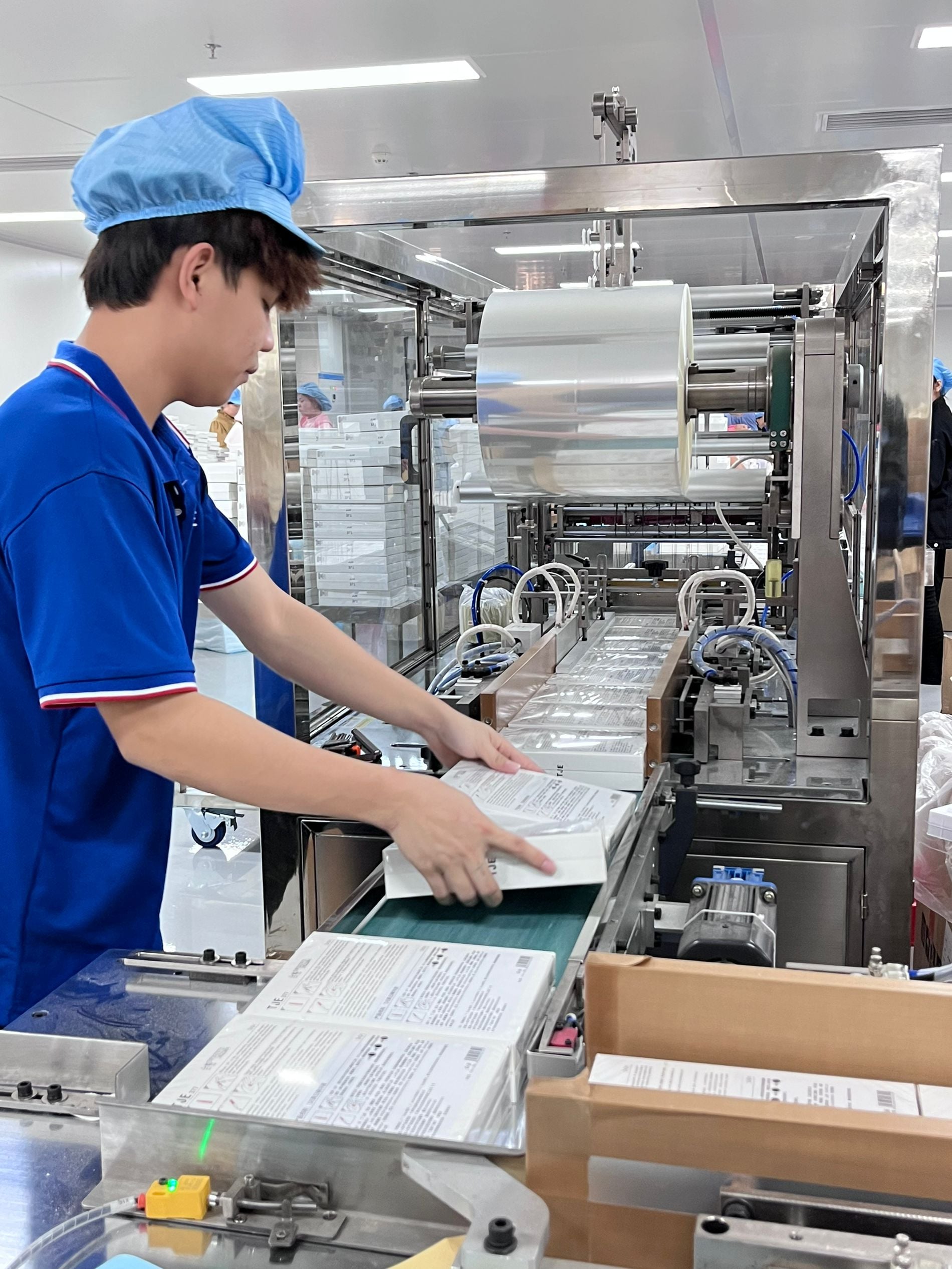
This is why a capable contract manufacturer matters. At INTE, our role is to help make the manufacturing side of your compliance workflow more organized, traceable and production-ready. We align product development, packaging confirmation, production communication and documentation support around the approved project brief.
For buyers comparing suppliers, strong cosmetic manufacturing compliance support should include more than a list of certificates. It should be visible in the manufacturer’s ability to answer detailed questions, control changes, maintain records and coordinate the information your regulatory partners need.
A Pre-Order Compliance Checklist for Beauty Buyers
- Define the destination market first. U.S., EU, Great Britain and other markets may have different roles, labeling expectations and filing processes.
- Confirm the legal roles. Identify the Responsible Person, importer, distributor and regulatory consultant before final artwork and production approval.
- Review claims before printing. Avoid treating marketing copy as a last-minute design decision.
- Agree on a document list in writing. Specify what is needed, who provides it, in what format and at which project stage.
- Confirm formula and packaging change control. A change in ingredients, concentration, fragrance, packaging or artwork can affect your documentation workflow.
- Keep the approved product brief consistent. Formula, label, marketing claims and regulatory information should refer to the same final product version.
Procurement recommendation
Request technical information early—ideally before approving samples, packaging artwork or a purchase order. Compliance planning is much easier when it happens alongside product development, not after finished goods are waiting for shipment.
Frequently Asked Questions
Is CPNP certification required for skincare products in the EU?
No. “CPNP certification skincare” is a commonly searched phrase, but CPNP is a product notification portal rather than a certification program. EU market access also involves wider responsibilities, including the Responsible Person and required product-information and safety-assessment processes.
Can a cosmetic manufacturer submit MoCRA product listings for my brand?
The Responsible Person for the product is generally responsible for the product listing. A manufacturer can support the process by providing agreed factory-side formula, ingredient, facility and product information, but legal responsibilities should be confirmed with your regulatory adviser.
Does FDA facility registration mean a cosmetic product is FDA approved?
No. FDA facility registration and cosmetic product listing are not cosmetic approval programs. Buyers should avoid treating registration numbers, listings or supposed “FDA certificates” as proof that a product has been approved by FDA.
Will a complete document package guarantee customs clearance?
No manufacturer can guarantee customs clearance, because customs decisions can depend on product classification, claims, labeling, import records, local rules and other factors. A well-managed documentation workflow can reduce avoidable information gaps, but it does not replace professional regulatory and import advice.
What should I send INTE before requesting compliance support?
Please share your target market, product category, intended claims, preferred formula direction, packaging format, label status and launch timeline. This allows us to discuss the relevant manufacturing and documentation workflow more efficiently.
Plan Your Compliance Workflow Before You Place the Order
Whether you are developing private label skincare, body care, ampoule serums or a multi-SKU beauty line, our team can review your manufacturing brief and discuss the documentation topics that should be aligned with your target market.
Discuss Your MoCRA and EU Documentation Requirements Send Us Your Product BriefOfficial Regulatory Resources
For the latest legal requirements, always consult qualified regulatory professionals and the relevant authority. The following official resources are useful starting points:
- U.S. FDA: Registration & Listing of Cosmetic Product Facilities and Products
- U.S. FDA: Cosmetics & U.S. Law
- European Commission: Cosmetic Products Notification Portal (CPNP)
Disclaimer: This article is provided for general business and manufacturing information only. It is not legal, regulatory, safety-assessment, import or customs advice. Requirements can vary by product, claim, market and legal role. Please consult qualified regulatory and legal professionals before placing products on the market.
 Hot News


